In the ever-evolving digital landscape, staying ahead of the curve is essential for businesses looking to enhance their online presence. For those seeking to achieve this, partnering with a reputable design agency can make all the difference. A design agency not only brings a wealth of expertise but also keeps you informed about the latest web design trends that can elevate your brand. In this post, we’ll explore the most significant web design trends to watch in the coming years and how a design agency can help you harness these trends to achieve your business goals.
1. Minimalistic Design
One of the most enduring trends in web design is minimalism. This approach focuses on simplicity, prioritizing essential elements to create a clean and uncluttered interface. The goal is to enhance user experience by making navigation intuitive and content easily digestible. A design agency can help implement a minimalistic design strategy, ensuring that your website is not just aesthetically pleasing but also functional.
Key Features of Minimalistic Design:
– **Whitespace Utilization**: Effective use of whitespace helps to improve readability and focus on key content.
– **Limited Color Palette**: A restrained color scheme enhances brand identity without overwhelming users.
– **Simple Typography**: Choosing clean, legible fonts can boost user comprehension and engagement.
2. Dark Mode
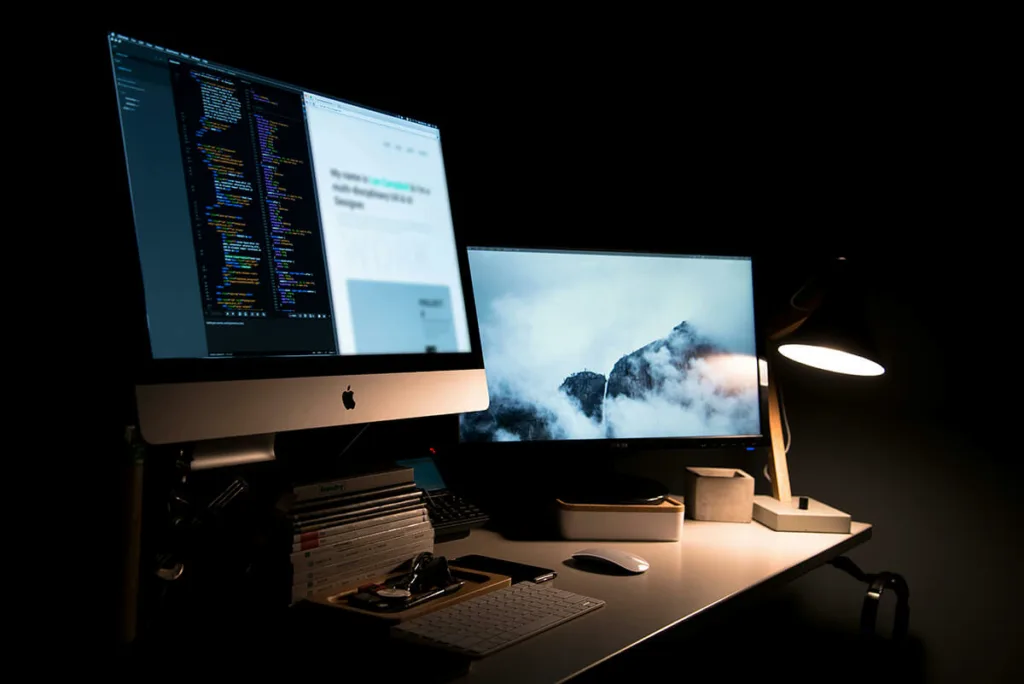
Dark mode has gained immense popularity in recent years, offering a sleek and modern aesthetic that many users prefer. This trend not only provides a visually appealing experience but also reduces eye strain in low-light environments. A design agency can assist in creating a dark mode version of your website, ensuring that it aligns with your overall branding while enhancing usability.
Benefits of Dark Mode:
– **Reduced Eye Strain**: Especially beneficial for users who spend long hours on screens.
– **Battery Saving**: Darker screens consume less power on OLED devices, which can enhance user experience.
– **Modern Aesthetic**: Dark mode gives your website a contemporary feel, appealing to a tech-savvy audience.
3. Interactive and Immersive Elements
As user engagement becomes increasingly important, interactive and immersive design elements are becoming a staple. Features like animations, hover effects, and video backgrounds can captivate users and encourage them to explore your website further. A design agency can help integrate these elements seamlessly, ensuring they enhance rather than detract from the user experience.
Examples of Interactive Elements:
– **Microinteractions**: Small, subtle animations that provide feedback to user actions, like button clicks or form submissions.
– **Parallax Scrolling**: A technique where background images move slower than foreground content, creating a 3D-like effect.
– **360-Degree Views**: Allowing users to interact with products in a virtual space can significantly enhance eCommerce experiences.
4. Responsive and Adaptive Design
With the increasing use of mobile devices for browsing, responsive and adaptive web design has become non-negotiable. A design agency focuses on creating websites that provide an optimal viewing experience across various devices and screen sizes. This ensures that users enjoy seamless navigation, whether they are on a desktop, tablet, or smartphone.
Key Aspects of Responsive Design:
– **Fluid Grids**: Layouts that adapt to different screen sizes, maintaining usability and aesthetics.
– **Flexible Images**: Ensuring images resize correctly to fit different devices without losing quality.
– **Media Queries**: CSS techniques that apply different styles based on device characteristics.
5. Bold Typography
Typography is a powerful design element that can significantly impact user engagement. Bold and creative typography can draw attention and convey your brand’s personality effectively. A design agency can help you select fonts and styles that resonate with your target audience while maintaining readability and accessibility.
Typography Trends to Consider:
– **Custom Fonts**: Unique typefaces can set your brand apart from competitors.
– **Large Header Text**: Using oversized text for headings can create a striking visual impact.
– **Text as a Graphic Element**: Integrating typography into your overall design can enhance storytelling and brand messaging.
6. Sustainable Web Design
As environmental concerns rise, sustainable web design is becoming increasingly relevant. This trend focuses on creating websites that are not only efficient in terms of energy consumption but also promote eco-friendly practices. A design agency can help you implement sustainable design principles, ensuring your website aligns with your brand’s commitment to sustainability.
How to Achieve Sustainable Web Design:
– **Optimize Performance**: Reducing load times and optimizing images can decrease energy usage.
– **Eco-Friendly Hosting**: Partnering with web hosts that use renewable energy sources.
– **Promote Sustainable Practices**: Incorporating messaging about sustainability into your website can resonate with environmentally conscious users.
Conclusion
In an age where digital presence is paramount, keeping up with web design trends is crucial for businesses looking to stay competitive. A design agency can provide valuable insights and expertise in implementing these trends effectively, ensuring that your website not only reflects your brand identity but also meets the evolving needs of your audience. By embracing minimalistic design, dark mode, interactive elements, responsive layouts, bold typography, and sustainable practices, you can create a website that engages users and drives conversions.
If you’re ready to elevate your online presence and stay ahead of the curve in web design, partnering with a design agency is the first step toward achieving your goals. Explore the possibilities today and watch your brand thrive in the digital landscape.